
Introduction
Tagliolini is a traditional Italian pasta that captivates food enthusiasts with its unique shape, texture, and versatility. Often overshadowed by more popular pasta types like spaghetti or fettuccine, tagliolini deserves a spotlight for its rich history and delightful culinary potential. In this article, we’ll explore the origins, characteristics, cooking methods, and popular recipes featuring tagliolini, as well as tips for making it at home.
What is Tagliolini?
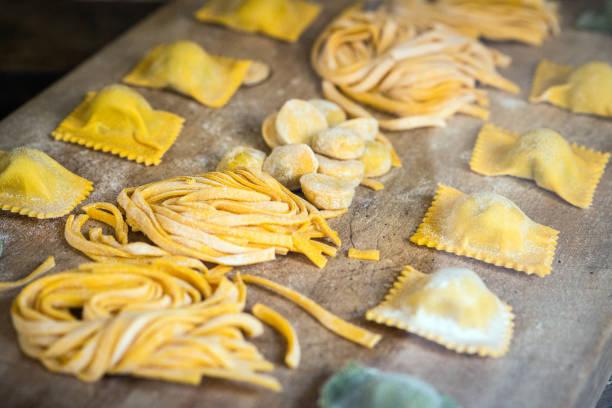
Tagliolini is a type of pasta that belongs to the broader category of “tagliatelle.” It is characterized by its thin, flat, and long strands, which are typically about 2-4 millimeters in width. The name “tagliolini” comes from the Italian verb “tagliare,” meaning “to cut,” which reflects the pasta’s method of preparation. Unlike its thicker cousin tagliatelle, tagliolini is more delicate, making it an excellent choice for light sauces and gourmet dishes.
The Difference Between Tagliolini and Other Pastas
While tagliolini shares similarities with tagliatelle and fettuccine, there are distinct differences:
Thickness: Tagliolini is thinner than tagliatelle and fettuccine, offering a more refined texture.
Serving Styles: Due to its lightness, tagliolini is often paired with delicate sauces, whereas thicker pastas can handle heartier sauces.
Preparation: Tagliolini can be made fresh or dried, but fresh tagliolini is particularly prized for its tender texture.
The Origins of Tagliolini
The origins of tagliolini can be traced back to the Emilia-Romagna region of Italy, an area renowned for its rich culinary traditions. While specific historical records are sparse, it is believed that tagliolini has been made since the Renaissance, when pasta became a staple in Italian cuisine.
Historically, pasta in Italy was often handmade, with local variations influencing the shape and ingredients used. Tagliolini is typically made from flour and eggs, a combination that contributes to its smooth texture and rich flavor.
Making Tagliolini: Ingredients and Preparation
Basic Ingredients
To make traditional tagliolini, you will need:
Flour: High-quality “00” flour is preferred for its fine texture.
Eggs: Large, fresh eggs are essential for richness and binding.
Step-by-Step Preparation
Make the Dough:
Make a well in the middle of the flour mound that you have created on a clean area.
Crack the eggs into the well and gradually incorporate the flour using a fork.
Knead the Dough:
Once combined, knead the dough for about 10 minutes until it becomes smooth and elastic.Let it sit for at least half an hour after wrapping it in plastic wrap.
Roll Out the Dough:
Divide the dough into smaller portions. Use a pasta machine or a rolling pin to roll out the dough into thin sheets, about 1-2 millimeters thick.
Cut the Tagliolini:
Once rolled out, lightly dust the dough with flour and roll it up loosely. Use a sharp knife to cut thin strips, approximately 2-4 millimeters wide.
Unravel and Dry:
Unravel the strips and hang them to dry for a few minutes before cooking. This prevents sticking.
Cooking Tagliolini
Boiling and Cooking Time
Cooking tagliolini is straightforward. Follow these steps:
Boil Water:Heat a large pot of salted water until it comes to a rolling boil.
Add Tagliolini: Gently add the fresh tagliolini to the boiling water.
Cooking Time: Fresh tagliolini cooks quickly, usually in about 2-4 minutes. Taste for doneness and drain when al dente.
Sauce Pairings
Tagliolini’s delicate nature makes it ideal for light sauces. Here are some popular pairings:
Butter and Sage: A classic combination where melted butter is infused with fresh sage leaves.
Lemon and Parmesan: A zesty sauce made with lemon juice, zest, and grated Parmesan cheese for a refreshing taste.
Seafood Sauces: Light seafood sauces, such as those made with shrimp or scallops, complement tagliolini beautifully.
Mushroom Cream Sauce: A rich yet light sauce made with sautéed mushrooms, cream, and herbs enhances the pasta’s flavor without overpowering it.
Popular Tagliolini Recipes
Tagliolini al Tartufo (Truffle Tagliolini)
This dish showcases the luxurious flavor of truffles. The tagliolini is tossed with melted butter, finely grated truffles, and a sprinkle of Parmesan cheese, creating an indulgent experience.
Tagliolini with Seafood
A simple yet elegant dish, this recipe features tagliolini sautéed with garlic, olive oil, and a mix of seafood, such as shrimp, clams, and mussels. Finished with a splash of white wine and fresh herbs, it’s a delightful seafood pasta.
Tagliolini with Pesto
Combining the flavors of fresh basil, garlic, pine nuts, Parmesan, and olive oil, pesto is a perfect sauce for tagliolini. Toss the cooked pasta with pesto and add cherry tomatoes and mozzarella for a fresh, summer dish.
Tagliolini alla Carbonara
A twist on the classic Roman dish, tagliolini can be used in place of spaghetti for carbonara. The creamy sauce made with eggs, Pecorino Romano cheese, and pancetta clings beautifully to the delicate strands.
Tagliolini in Popular Culture
Tagliolini has appeared in various food shows, cooking competitions, and culinary blogs, where chefs often emphasize the importance of handmade pasta. Its elegance makes it a favorite in fine dining, and many Italian restaurants feature it on their menus.
On platforms like YouTube, numerous cooking channels demonstrate how to make tagliolini from scratch, often highlighting regional variations and personal touches that enhance the dish. These videos have contributed to a renewed interest in traditional pasta-making techniques.
Nutritional Information
Tagliolini, like most pasta, is primarily composed of carbohydrates, making it a good source of energy. A typical serving (about 100 grams) of cooked tagliolini contains approximately:
Calories: 130-150
Carbohydrates: 25-30 grams
Protein: 4-6 grams
Fat: 1-2 grams
For a balanced meal, consider pairing tagliolini with protein-rich ingredients such as seafood, chicken, or legumes, and incorporate vegetables for added nutrients.
FAQs
What is tagliolini?
Tagliolini is a type of Italian pasta characterized by its long, thin, flat strands. It is similar to tagliatelle but thinner, typically measuring about 2-4 millimeters in width.
How is tagliolini made?
Tagliolini is traditionally made from a simple dough of flour and eggs. The dough is rolled out into thin sheets and then cut into strips to create the pasta.
What dishes can be made with tagliolini?
Tagliolini is versatile and can be used in various dishes, including:
Tagliolini al Tartufo (truffle tagliolini)
Tagliolini with seafood
Tagliolini with pesto
Tagliolini alla Carbonara
How do you cook tagliolini?
To cook tagliolini, bring a pot of salted water to a boil, add the pasta, and cook for about 2-4 minutes for fresh tagliolini. Taste for doneness and drain when al dente.
What sauces pair well with tagliolini?
Tagliolini pairs best with light sauces. Popular options include butter and sage, lemon and Parmesan, seafood sauces, and cream-based sauces with mushrooms.
Is tagliolini the same as tagliatelle?
No, while they are similar, tagliolini is thinner and more delicate than tagliatelle. Tagliatelle is wider and often used for heartier sauces.
Can tagliolini be made ahead of time?
Yes, you can make tagliolini in advance. Freshly cut pasta can be stored in the refrigerator for a few hours or frozen for longer storage.
What is the nutritional content of tagliolini?
A typical serving (100 grams) of cooked tagliolini contains approximately 130-150 calories, 25-30 grams of carbohydrates, 4-6 grams of protein, and 1-2 grams of fat.
Where can I find tagliolini?
Tagliolini can be found in Italian grocery stores, specialty food shops, and online. Fresh tagliolini is often available at restaurants and pasta-making classes.
Can I make tagliolini without a pasta machine?
Yes, you can make tagliolini without a pasta machine by using a rolling pin to flatten the dough and a sharp knife to cut it into strips. It may require more effort, but it’s entirely possible!
Conclusion
Tagliolini is a remarkable pasta that embodies the essence of Italian culinary tradition. Its delicate texture and versatility make it suitable for various dishes, from simple to sophisticated. Whether you’re enjoying a homemade version or indulging in a restaurant creation, tagliolini offers a delightful dining experience that celebrates the art of pasta making.
As interest in Italian cuisine continues to grow, tagliolini is sure to find its place in the hearts and plates of food lovers around the world. Whether you’re a seasoned chef or a home cook, experimenting with tagliolini can lead to delicious discoveries and a deeper appreciation for this timeless pasta.
To read more, Click Here