
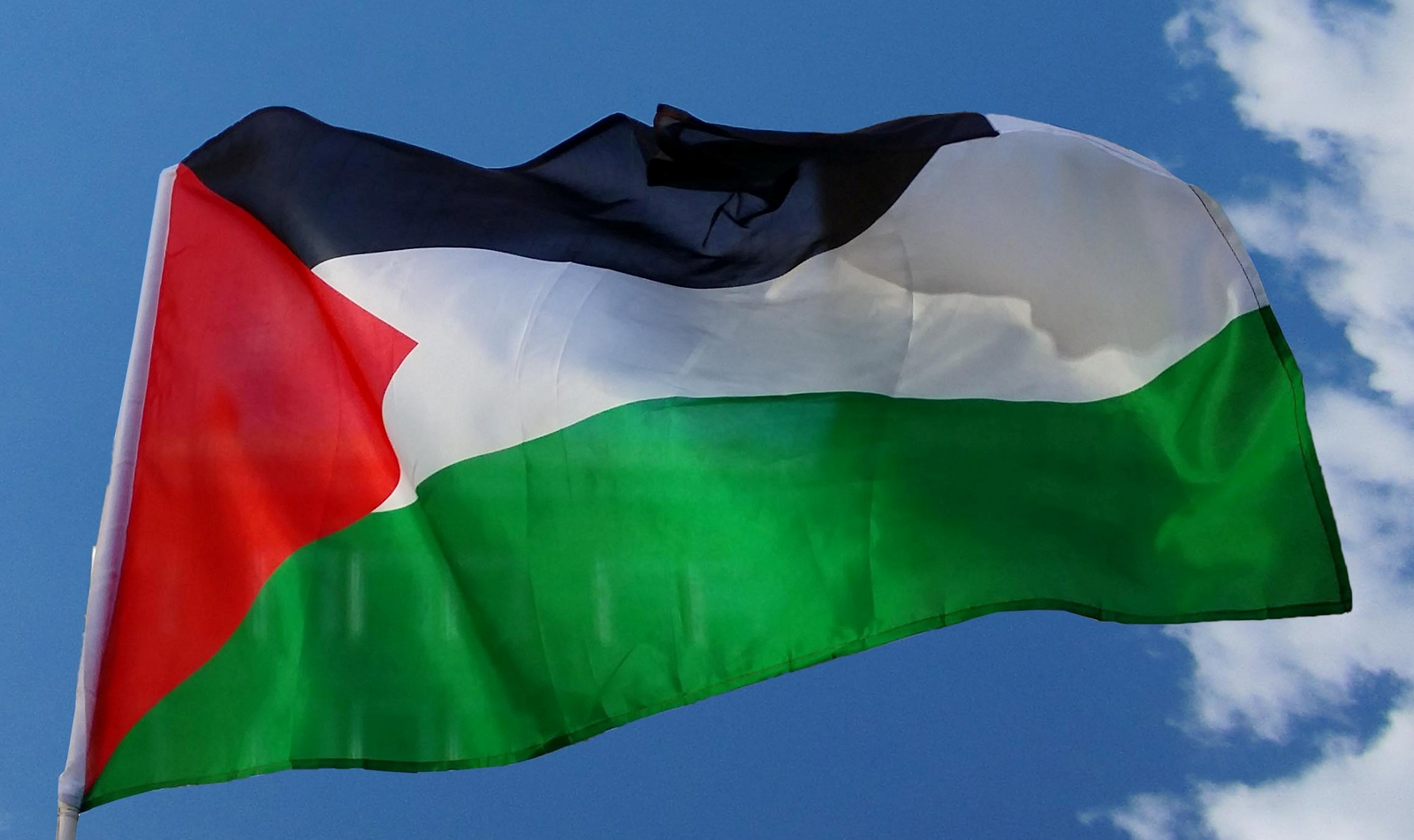
The Palestine flag, with its bold colours and simple yet powerful design, is a potent symbol of Palestinian national identity and aspirations. It represents the hopes and struggles of a people yearning for freedom and self-determination. This article delves into the history, symbolism, and significance of the Palestinian flag, exploring its evolution and its role in the ongoing Palestinian struggle.
History of the Palestinian Flag
The origins of the Palestinian flag can be traced back to the early 20th century, a period of increasing Palestinian national consciousness. While various flag designs were used by Palestinian organisations throughout the early 20th century, it was in 1964 that the Palestine Liberation Organisation (PLO) officially adopted the current flag.
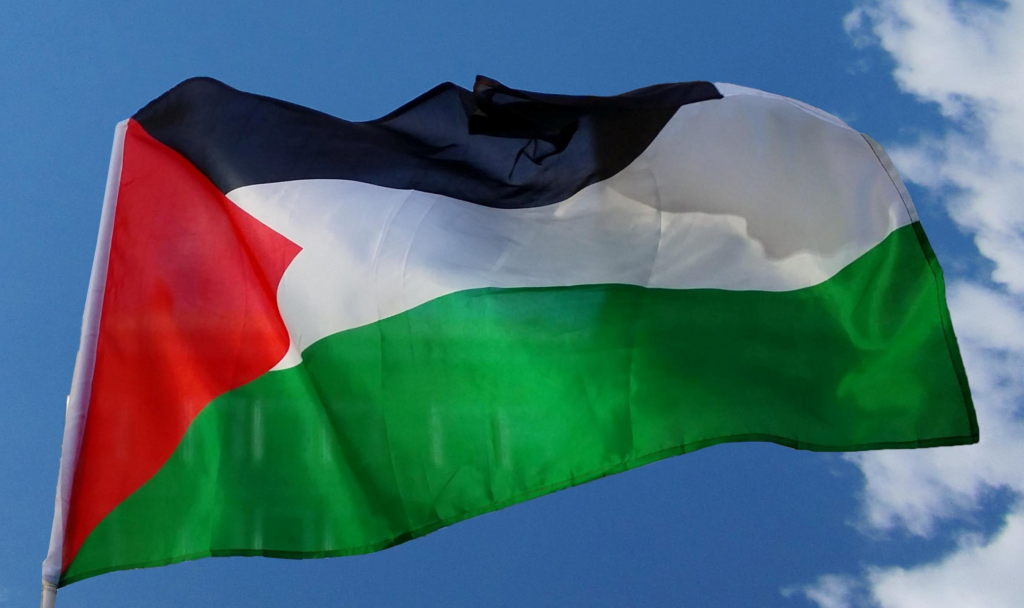
The flag’s design is simple and striking: three horizontal bands of black, green, and white, with a red triangle on the hoist side. Each colour carries profound symbolic meaning:
Black: Represents the years of suffering and oppression endured by the Palestinian people under Israeli occupation.
Green: Symbolizes hope for a future Palestinian state, evoking the lush landscapes of Palestine.
White: Represents peace and purity, reflecting the Palestinians’ desire for a just and lasting resolution to the conflict.
Red Triangle: Signifies the blood shed by Palestinians in their struggle for freedom and independence.
Symbolism and Significance
The Palestinian flag is more than just a piece of cloth; it is a powerful symbol of national identity, resilience, and the unwavering pursuit of freedom. It serves as a rallying point for Palestinians across the globe, connecting them to their shared history, culture, and aspirations.
A Symbol of Resistance: The flag has become a prominent symbol of Palestinian resistance against Israeli occupation. It is flown at protests, demonstrations, and other forms of resistance, expressing the Palestinian people’s determination to achieve their national rights.
A Symbol of Unity: Despite the numerous challenges and internal divisions within Palestinian society, the flag serves as a unifying force, bringing together Palestinians from diverse backgrounds and political affiliations under a common banner.
A Symbol of Hope: Despite decades of conflict and displacement, the Palestinian flag remains a beacon of hope for a brighter future. It embodies the Palestinians’ unwavering belief in the possibility of achieving a just and lasting peace, where they can live in freedom and dignity in their own independent state.
The Palestinian Flag in the Global Context
The Palestinian flag has become a globally recognised symbol of the Palestinian struggle for freedom and self-determination. It is frequently displayed at international events, protests, and solidarity demonstrations worldwide, raising awareness of the Palestinian cause and garnering support for Palestinian rights.
The Flag and International Law
The right to fly one’s national flag is a fundamental right enshrined in international law. However, the Israeli authorities have often restricted the display of the Palestinian flag in the occupied Palestinian territories, viewing it as a symbol of defiance and a threat to Israeli security. These restrictions have been widely condemned by human rights organisations as a violation of Palestinian freedom of expression.
The Palestinian Flag in Popular Culture
The Palestinian flag has made its way into popular culture, appearing in various forms of art, music, and literature. It has been featured in films, documentaries, and music videos, serving as a powerful visual representation of the Palestinian struggle and its impact on global consciousness.
The Palestine Flag and Social Media
In the age of social media, the Palestinian flag has become a powerful tool for online activism. Palestinians and their supporters around the world use social media platforms to share images and videos of the flag, raise awareness of Palestinian issues, and mobilize support for the Palestinian cause.
The Palestine Flag and the Ongoing Struggle
The Palestinian flag continues to play a vital role in the ongoing struggle for Palestinian liberation. It serves as a constant reminder of the Palestinian people’s unwavering commitment to their national rights and their determination to achieve a just and lasting peace. As the Palestinian struggle enters a new era, the flag will undoubtedly remain a powerful symbol of hope, resilience, and the enduring spirit of the Palestinian people.
FAQs
What are the colors and design of the Palestine flag?
The Palestinian flag is a horizontal tricolor of black, white, and green stripes with a red triangle at the hoist (the side of the flag closest to the flagpole). The width-to-length ratio of the flag is 1:2.
What is the meaning of the colors of the Palestine flag?
There are several interpretations of the meaning of the colors of the Palestine flag. One common interpretation is that the colors represent the Pan-Arab colors:
Black: represents the Abbasid Caliphate
White: represents the Umayyad Caliphate
Green: represents the Fatimid Caliphate
Red: represents the blood of martyrs who died for Arab liberation
Another interpretation is that the colors represent the following:
Red: represents the struggle for Palestinian independence
Black: represents the darkness of oppression
White: represents peace
Green: represents hope and Islam
When was the Palestine flag adopted?
The flag was first adopted by the Palestine Liberation Organization (PLO) in 1964 and was officially adopted as the flag of the State of Palestine in 1988.
Is there a difference between the Palestinian flag and the PLO flag?
No, there is no difference between the Palestinian flag and the PLO flag. The same flag is used to represent both Palestine and the PLO.
Can the Palestinian flag be flown in Israel?
Yes, no law in Israel prohibits the flying of the Palestinian flag. Waving a flag is considered a form of expression, and freedom of expression is protected in Israel.
Final Thought
The Palestine flag is more than just a piece of cloth; it is a potent symbol of national identity, resilience, and the unwavering pursuit of freedom. It embodies the hopes and struggles of a people yearning for justice and self-determination. Despite facing numerous challenges, the Palestinian flag continues to fly high, inspiring Palestinians and their supporters around the world to persevere in their struggle for a just and lasting peace.
To read more, Click here