

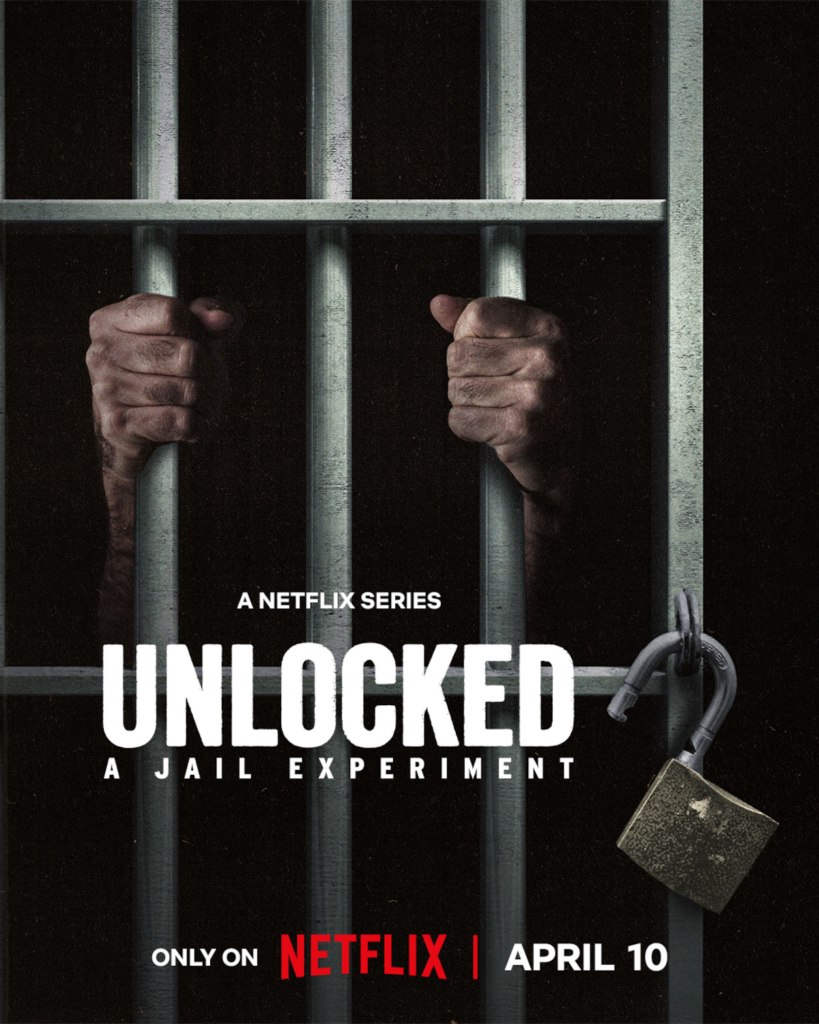
Jail documentaries have gained immense popularity due to their ability to offer unvarnished, real-life insights into the world of incarceration. These films allow viewers to explore the lives of those behind bars, the realities faced by prison staff, and the larger societal implications of crime and punishment. The rise of platforms like YouTube has made it easier for these documentaries to reach a wide audience, sparking important discussions about the justice system and the experiences of those incarcerated. This article delves into the world of jail documentaries, examining key themes, notable examples, and their potential for societal change.
The Appeal of Jail Documentaries
Jail documentaries capture the attention of audiences due to their raw portrayal of life behind bars. Unlike fictional portrayals of prisons, which often exaggerate or simplify realities, documentaries showcase real stories with all their complexities. Viewers are given a window into a world that is largely hidden from public view—one that is filled with violence, struggle, hope, and, at times, redemption. These documentaries delve into what life in prison truly looks like, offering an authentic perspective that fiction often cannot match.
For instance, “Behind Bars: The World’s Toughest Prisons,” available on YouTube, takes viewers into some of the most infamous correctional facilities worldwide. From the overcrowded prisons of the U.S. to the more humane, but still tough, prisons of Norway, this series contrasts the varying approaches to incarceration. Meanwhile, “Life Inside Maximum Security Prison” offers a gritty, unfiltered look at the day-to-day lives of inmates in one of the U.K.’s toughest prisons, bringing to light the mental and emotional toll prison life can take on individuals.
Key Themes Explored in Jail Documentaries
Harsh Conditions and Overcrowding
One of the most prominent themes in jail documentaries is the depiction of overcrowded, underfunded, and poorly maintained prison systems. Overcrowding is a significant issue in many countries, particularly in the U.S., where the prison population has skyrocketed in recent decades. Documentaries such as “The Worst Prisons in the World” and “Prison State” highlight the grim realities of these conditions, showing how inmates are forced to live in cramped, unsanitary environments, with limited access to healthcare, education, or rehabilitation programs.
These conditions often lead to violence, not only between inmates but also between inmates and prison staff. In some cases, the violence is exacerbated by the lack of mental health services, which results in untreated mental illness becoming a major issue within prisons. Such documentaries make it clear that overcrowding isn’t just a logistical problem; it’s a matter of human rights, with many prisoners living in conditions that can be described as inhumane.
Mental Health and Substance Abuse
Another recurring theme in jail documentaries is the link between incarceration and mental health issues. “The New Asylums,” a critically acclaimed documentary, explores the phenomenon of jails and prisons becoming de facto mental health institutions due to the increasing number of individuals with mental health disorders being incarcerated rather than treated. The film highlights the struggles faced by individuals with mental health issues in prisons, often exacerbated by poor conditions and a lack of adequate care.
Substance abuse is another critical issue in many jails and prisons. Addiction can drive criminal behavior, and once incarcerated, many individuals struggle with withdrawal symptoms and lack access to necessary treatment. Documentaries that tackle this subject often focus on the vicious cycle of crime, incarceration, and addiction, calling attention to the urgent need for rehabilitation programs that address the root causes of criminal behavior rather than simply punishing the symptoms.
Rehabilitation vs. Punishment
A central debate within the prison system is whether the goal of incarceration should be punishment or rehabilitation. Documentaries such as “Prison State” tackle this issue by exploring the efforts to reform inmates through education, therapy, and vocational training. These films suggest that rehabilitation is not only possible but essential in breaking the cycle of repeat offenders. They highlight programs that aim to provide inmates with skills and support systems that prepare them for life outside of prison, reducing the likelihood of recidivism.
On the other hand, other documentaries like “Behind Bars: The World’s Toughest Prisons” focus on the more punitive aspects of prison life, emphasizing the harsh realities and the brutal conditions many prisoners face. These films raise the question of whether such extreme conditions can ever truly lead to reform, or if they merely perpetuate a cycle of violence and suffering.
The Impact on Families and Communities
Jail documentaries often explore how the incarceration of an individual affects not only the inmate but also their family and community. The emotional toll on families, particularly children, is a major theme in many documentaries. “Prison State” focuses on the ripple effects of incarceration, showing how entire communities can be destabilized when a significant portion of the population is imprisoned.
Furthermore, these documentaries raise the question of how the justice system treats families of inmates, especially when it comes to issues like visitation, communication, and the psychological effects of having a loved one in prison. By shedding light on the human cost of incarceration, these films push for more compassionate and family-oriented policies within the prison system.
Juvenile Incarceration
The issue of juvenile incarceration is another key topic explored in jail documentaries. “Kids in Jail” and similar films focus on the experiences of minors who are incarcerated, often for non-violent offenses. These documentaries shed light on the impact of the criminal justice system on young offenders and question whether jailing minors is an effective or just solution. Many documentaries highlight the need for alternative forms of punishment, such as rehabilitation centers or community-based programs, which offer better chances of reform and reintegration into society.
The Role of Filmmakers in Driving Change
Jail documentaries have a unique power to influence public opinion and drive social change. Filmmakers who produce such content often strive to expose the systemic issues within the criminal justice system, including overcrowding, lack of rehabilitation, and the mistreatment of inmates. By telling these stories, filmmakers humanize prisoners, who are often dehumanized by society, and challenge viewers to reconsider their views on crime, punishment, and rehabilitation.
Films such as “Prison State” and “The New Asylums” have sparked conversations about the need for comprehensive prison reform. In some cases, they have even led to policy changes, with governments and institutions beginning to reconsider their approaches to incarceration. These documentaries play a vital role in bringing attention to injustices and encouraging viewers to advocate for a more just and effective criminal justice system.
The Digital Revolution: Access via YouTube
The rise of platforms like YouTube has revolutionized the way audiences access jail documentaries. Previously, these films were limited to niche audiences who could afford to watch them on television or in theaters. Now, they are available to anyone with an internet connection, offering a wealth of content to explore. Channels like Free Documentary, Real Stories, and FRONTLINE have made it possible for people around the world to access high-quality documentaries on a wide range of topics related to incarceration.
This democratization of content has allowed these documentaries to reach a global audience, sparking discussions not only in the U.S. but in countries all over the world. For instance, “Behind Bars: The World’s Toughest Prisons” is available on YouTube and has garnered millions of views from viewers eager to learn about prison systems in countries as diverse as Russia, the U.S., and the Philippines.
FAQS
What are the best jail documentaries to watch?
Some of the most popular jail documentaries include “Behind Bars: The World’s Toughest Prisons,” “The Worst Prisons in the World,” “Prison State,” and “The New Asylums.” These films offer a variety of perspectives, from exploring the harsh conditions in overcrowded U.S. prisons to examining the impact of mental health issues on incarcerated individuals.
Are jail documentaries accurate?
While jail documentaries strive for accuracy, it’s important to remember that they are often edited to tell a compelling story. Filmmakers may choose to focus on certain aspects of prison life, which can sometimes lead to a skewed portrayal. However, many documentaries are based on real-life experiences and provide an authentic look at the prison system.
Do jail documentaries advocate for prison reform?
Yes, many jail documentaries advocate for prison reform by highlighting the flaws in the current system, such as overcrowding, inadequate healthcare, and lack of rehabilitation programs. They aim to spark conversation about how the justice system can be improved to better serve both inmates and society as a whole.
How do jail documentaries impact public opinion?
Jail documentaries can significantly impact public opinion by raising awareness of the harsh realities of incarceration. By humanizing inmates and exposing the failures of the justice system, these documentaries often encourage viewers to rethink their views on crime and punishment, leading to calls for policy change.
Can documentaries lead to changes in the prison system?
Documentaries have the potential to drive change by shedding light on injustices and inspiring public outcry. In some cases, documentaries have led to reforms in the justice system, including changes in prison conditions, increased focus on rehabilitation, and improved mental health care for inmates.
Final Thoughts
Jail documentaries are more than just entertainment; they are a powerful tool for education and advocacy. By offering an unfiltered look into the lives of prisoners and the broader justice system, these films challenge viewers to think critically about incarceration, rehabilitation, and reform. In an era where information is readily available online, documentaries continue to play a crucial role in sparking conversations about the future of the criminal justice system.
To read more, Click here