
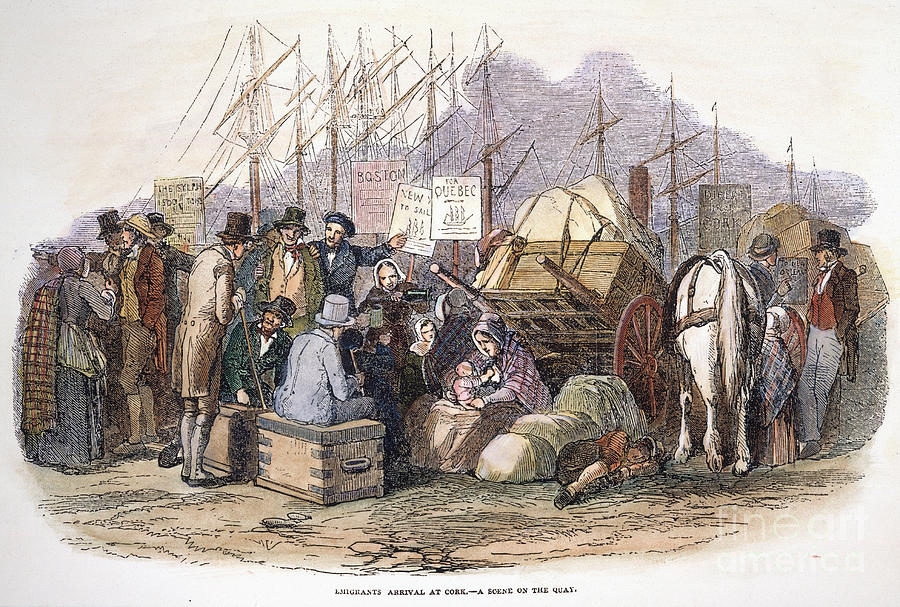
The term “emigrants” evokes images of individuals who have left their homeland in search of a better life, driven by a myriad of factors, from economic hardship and political instability to the temptation of fresh possibilities and individual development. This article delves into the multifaceted lives of emigrants, exploring their motivations, challenges, and the profound impact they have on both their countries of origin and destination. We will examine the historical context of emigration, analyze the contemporary trends shaping the experiences of modern emigrants, and discuss the ethical and social implications of this global phenomenon.
Historical Context of Emigration
Emigration has been a defining characteristic of human history, driven by a complex interplay of economic, social, and political forces. Throughout the ages, individuals and groups have migrated in search of fertile lands, religious freedom, and escape from persecution. The Age of Discovery, with its European colonial expansion, witnessed mass migrations to the Americas, Africa, and Asia, often driven by the exploitation of resources and the pursuit of wealth. The Industrial Revolution further fueled migration, as people from rural areas flocked to urban centers in search of employment in factories and mines.
The 20th century saw two World Wars, leading to significant refugee movements and displacement. The latter half of the century witnessed a surge in economic migration, with individuals seeking better job prospects and higher standards of living in developed countries. This period also saw increased migration due to political instability, conflict, and environmental degradation.
Contemporary Trends in Emigration
In the 21st century, the globalized world has significantly altered the landscape of emigration. Technological advancements have facilitated communication and travel, making it easier for people to connect with potential destinations and migrate across borders. However, this interconnectedness has also exacerbated global inequalities, leading to increased competition for resources and opportunities.
Key contemporary trends in emigration include:
Increased diversity of migrants: Today’s emigrants encompass a diverse range of individuals, including skilled professionals, highly educated individuals, low-skilled workers, and refugees.
The growing role of women in migration: Women are increasingly playing a significant role in migration, both as primary migrants and as family members accompanying male migrants.
Rise of intra-regional migration: While international migration remains significant, intra-regional migration within continents is also on the rise, driven by factors such as economic growth and regional integration.
The impact of globalization: Globalization has significantly impacted migration patterns, creating new opportunities for migration while also increasing competition for jobs and resources.
The rise of transnationalism: Many emigrants maintain strong ties with their countries of origin, engaging in transnational activities such as remittances, investment, and social and cultural exchange.
The Experiences of Emigrantas
The experiences of emigrantas are diverse and complex, shaped by a multitude of factors, including their country of origin, destination country, socio-economic background, and individual circumstances.
Challenges faced by emigrantas often include:
Economic hardship: Finding employment, securing stable income, and adapting to a new economic system can be challenging for many emigrantas.
Cultural adjustment: Adjusting to a new culture, language, and social norms can be a significant challenge, leading to feelings of isolation and alienation.
Social integration: Building social networks and establishing meaningful connections in the host country can be difficult, particularly for those who do not speak the local language.
Discrimination and racism: Many emigrantas face discrimination and racism in their host countries, based on their ethnicity, nationality, and religion.
Family separation: Migration often involves separation from family and loved ones, leading to emotional and psychological distress.
However, emigration can also offer significant opportunities for personal and professional growth:
Improved economic prospects: Many emigrantas find better job opportunities and higher incomes in their destination countries.
Access to education and healthcare: Emigrantas often gain access to better education and healthcare systems in their host countries.
Personal growth and development: The experience of living in a new culture can foster personal growth, broaden horizons, and enhance adaptability.
Contribution to the host society: Emigrantas contribute to the economic and cultural diversity of their host countries, bringing new skills, perspectives, and entrepreneurial spirit.
The Impact of Emigration
Emigration has a profound impact on both the countries of origin and destination.
For countries of origin, emigration can:
Lead to brain drain: The emigration of skilled professionals can lead to a loss of human capital, hindering economic development and innovation.
Generate remittances: Remittances sent by emigrantas to their families back home can be a significant source of income, contributing to poverty reduction and economic growth.
Foster social and cultural exchange: Emigrantas can act as cultural ambassadors, promoting understanding and cooperation between countries.
For countries of destination, emigration can:
Address labor shortages: Immigration can help to address labor shortages in key sectors of the economy.
Contribute to economic growth: Immigrants can bring new skills, entrepreneurship, and innovation to the host economy.
Increase cultural diversity: Immigration can enrich the cultural landscape of the host country, fostering a more diverse and inclusive society.
Ethical and Social Implications of Emigration
The ethical and social implications of emigration are complex and multifaceted.
The rights of migrants: Ensuring the rights and well-being of migrants is a fundamental ethical obligation. This includes protecting their rights to work, education, healthcare, and freedom from discrimination.
The responsibility of host countries: Host countries have a responsibility to integrate migrants into their societies, providing them with opportunities for economic and social inclusion.
The role of countries of origin: Countries of origin have a responsibility to address the root causes of emigration, such as poverty, inequality, and political instability, and to create conditions that encourage their citizens to stay.
The impact on global inequalities: Emigration can exacerbate global inequalities, as skilled professionals and entrepreneurs migrate from developing countries to developed countries.
The Role of Technology in Modern Migration
Technological advancements have significantly impacted the experiences of modern emigrantas.
Social media and online platforms: Social media platforms like Facebook, Twitter, and Instagram have become crucial tools for connecting with family and friends back home, finding information about potential destinations, and building social networks in the host country.
Online communication tools: Tools like WhatsApp, Skype, and Zoom have made it easier for emigrantas to stay connected with their loved ones, regardless of distance.
Digital remittances: Online platforms have facilitated the transfer of remittances, making it easier for emigrantas to send money back to their families.
The rise of online communities: Online communities and forums have emerged as important spaces for emigrantas to share experiences, seek advice, and find support.
FAQs
What is an emigrant?
An emigrant (or emigrée) is someone who leaves their own country to live in another country. Emigrants may leave their home country for a variety of reasons, including economic opportunity, political instability, or war.
What resources are available to emigrants?
There are several resources available to emigrants, including:
Government agencies that provide support and assistance to emigrants
Non-profit organizations that help migrants settle into their new homes
Online communities for emigrants
What are the latest trends for emigrants?
Several trends are affecting emigrants today, including:
The rise of remote work, which is making it easier for people to emigrate and still work for their home country’s employers
The increasing number of countries that are offering visas and other incentives to attract skilled workers
The growing popularity of social media, which is helping immigrants to connect with people back home
Final Thoughts
Emigration is a complex and multifaceted phenomenon with a profound impact on individuals, societies, and the global order. Understanding the motivations, challenges, and experiences of emigrantas is crucial for developing effective policies that address the needs and aspirations of this diverse population.
To read more, Click here