
Fence paint is an essential component of maintaining the aesthetic appeal and durability of your outdoor fencing. It not only shields your fence from the elements but also adds a touch of personality to your property. This comprehensive guide will delve into the various types of fence paint, factors to consider when choosing the right one, and step-by-step application tips.
Understanding Fence Paint
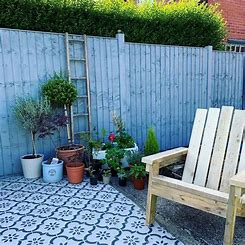
Fence paint is a specially formulated coating designed to adhere to wood, metal, or vinyl fencing. It offers protection against weathering, fading, and decay, ensuring your fence remains in excellent condition for years to come.
Types of Fence Paint:
Oil-Based Paint: Known for its durability and long-lasting color, oil-based paint is ideal for fences exposed to harsh weather conditions. However, it takes longer to dry and may emit fumes during application.
Latex Paint: Water-based latex paint offers a faster drying time and is low-odor, making it a popular choice for homeowners. It provides good durability and is available in a wide range of colors.
Specialty Paints: For specific fence materials or needs, consider specialty paints such as metal paints, rust-inhibiting paints, or weather-resistant paints.
Factors to Consider When Choosing Fence Paint
Fence Material: The type of material your fence is made of will determine the appropriate paint formulation. For example, wood fences require paints designed for wood, while metal fences need paints that can adhere to metal surfaces.
Climate: The climate in your area plays a significant role in choosing the right paint. If you live in a region with harsh winters or hot summers, opt for a paint that can withstand extreme temperatures and moisture.
Desired Finish: Consider the desired finish for your fence. Do you prefer a glossy, shiny look or a more matte finish? Different paints offer varying levels of sheen.
Color: Choose a color that complements your home and landscaping. Consider factors such as your neighborhood’s aesthetic and personal preferences.
Preparing Your Fence for Painting
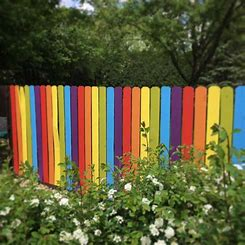
Before applying paint, it’s essential to properly prepare your fence. Follow these steps:
Clean the Fence: Remove any dirt, debris, mold, or mildew using a pressure washer or a stiff brush and soap.
Repair Damage: Fill any cracks, holes, or rotted areas with wood filler or caulk.
Sand: Smooth rough surfaces using sandpaper to ensure the paint adheres evenly.
Prime: Apply a primer specifically designed for your fence material. This will create a uniform surface and help the paint adhere better.
Applying Fence Paint
Choose the Right Weather: Paint your fence on a calm, dry day with temperatures between 50°F and 90°F. Avoid painting during rain or high humidity.
Use a Quality Brush or Roller: A high-quality brush or roller will ensure a smooth and even application.
Apply Multiple Coats: For optimal coverage and durability, apply two or three coats of paint, allowing each coat to dry completely before applying the next.
Protect Surrounding Areas: Use drop cloths to protect your landscaping, driveway, or patio from paint spills.
Maintaining Your Painted Fence
Regular Cleaning: Clean your fence annually to remove dirt, dust, and debris.
Touch-Ups: If you notice any peeling, chipping, or fading, touch up the affected areas promptly.
Repainting: Every few years, depending on the paint quality and weather conditions, you may need to repaint your entire fence to maintain its appearance and protection.
By following these guidelines, you can ensure that your fence paint job is both beautiful and long-lasting. A well-maintained fence not only enhances your property’s curb appeal but also adds value to your home.
FAQs
What is the best type of paint for a fence?
The best type of paint for a fence is typically outdoor wood paint or stain, specifically formulated for exterior surfaces. Acrylic-based paints are popular for their durability and resistance to weathering, while oil-based stains offer better penetration into wood fibers, providing longer-lasting protection.
How often should you paint your fence?
You should repaint or restain your fence every 2-3 years, depending on your region’s weather conditions and the quality of the paint used. Areas with extreme sun or rain exposure may require more frequent touch-ups.
Is it better to paint or stain a wooden fence?
Staining is often considered better for preserving the wood’s natural look and protecting it from moisture. However, painting provides a solid color finish and is better at blocking UV rays. Stains penetrate the wood, while paint forms a protective barrier on the surface.
Can I paint a fence in rainy weather?
It’s not recommended to paint in rainy weather or high humidity. The moisture can prevent the paint from adhering properly and can cause peeling or uneven finishes. Always check the weather forecast and choose a sunny, dry day for painting.
Do I need to prime a fence before painting?
Yes, priming is essential if you’re painting a bare wooden fence or switching from a stain to paint. A primer helps seal the wood, ensuring better paint adhesion and longevity. Some paints come with primer included, saving an extra step.
How do I prepare my fence for painting?
Preparation involves cleaning the surface to remove dirt, mildew, and old paint using a pressure washer or scrub brush. After drying, you might need to sand the surface to create a smooth finish and then apply primer if required.
Can I paint over old fence paint?
Yes, but it’s important to remove any loose, peeling paint first and sand the surface to ensure the new paint adheres properly. Applying a fresh coat of primer can help, especially if the previous paint is significantly worn.
How long does fence paint take to dry?
Fence paint generally takes 4-6 hours to dry to the touch, but it can take up to 24 hours to fully cure, depending on the paint type and weather conditions. Always refer to the manufacturer’s instructions for specific drying times.
What colors are trending for fences in 2024?
Neutral tones like grey, taupe, and earthy greens are trending for 2024. These colors blend well with natural surroundings and provide a modern, sophisticated look. Bold shades like deep navy or black are also popular for creating a striking contrast in gardens.
How much paint do I need for my fence?
To calculate the amount of paint needed, measure the total square footage of your fence. As a general rule, 1 gallon of paint covers approximately 350 square feet for a single coat, though this can vary based on the paint’s coverage quality.
Conclusion
Choosing the right fence paint involves understanding your fence’s material, local climate, and the aesthetic you want to achieve. Acrylic-based paints are known for durability and weather resistance, while oil-based stains excel at providing long-lasting protection and enhancing natural wood grain. If you’re repainting an old fence, proper preparation is key to ensuring a smooth, durable finish, including cleaning, sanding, and priming.
The debate between painting and staining remains personal, with stains offering a more natural look while paint provides better UV protection. When planning your fence painting project, check the weather forecast to avoid issues with moisture or humidity, and allow sufficient time for the paint to cure before exposure to harsh conditions.
Fence color trends for 2024 lean towards neutral, earthy shades that complement outdoor landscapes. However, bolder choices like black or navy blue can make a statement, adding character to modern homes. With proper care, including regular repainting or staining every few years, your fence can stay vibrant and well-protected from the elements for years to come.
To read more, click here.