
A well-maintained fence is not only a functional boundary but also an aesthetic element that can significantly enhance your property’s curb appeal. Fence paint plays a crucial role in protecting your fence from the elements and ensuring its longevity. In this comprehensive guide, we’ll delve into the world of fence paint, covering everything from choosing the right type to application techniques and maintenance tips.
Why Paint Your Fence?
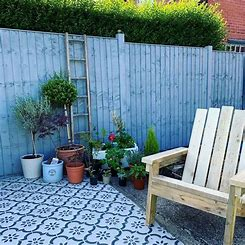
Painting your fence offers numerous benefits:
Protection: Paint acts as a barrier against moisture, UV rays, and other environmental factors that can cause wood rot, warping, and fading.
Aesthetics: A fresh coat of paint can revitalize your fence, adding color and style to your outdoor space.
Curb Appeal: A well-painted fence can significantly enhance your property’s overall appearance.
Resale Value: A well-maintained fence can increase your home’s resale value.
Types of Fence Paint
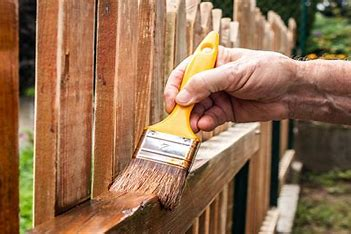
The type of paint you choose will depend on the material of your fence and your specific needs. Here are the most common types:
Oil-Based Paint: This traditional option offers excellent durability and weather resistance. It penetrates deep into the wood, providing long-lasting protection. However, oil-based paints can be more toxic and time-consuming to clean up than water-based paints.
Water-Based Paint: These paints are environmentally friendly and easy to clean up. They offer good durability and are suitable for most fence materials. Water-based paints are generally quicker to dry than oil-based paints.
Wood Stain: Wood stains enhance the natural beauty of the wood grain while providing some protection from the elements. They are available in various finishes, from transparent to opaque.
Choosing the Right Color
The color you choose for your fence can significantly impact your property’s overall look. Consider the following factors:
Your Home’s Exterior: Choose a color that complements your home’s siding and trim.
Surrounding Landscape: Consider the colors of your plants, trees, and other outdoor features.
Personal Preference: Ultimately, you should choose a color that you love.
Preparing Your Fence for Painting
Proper preparation is essential for a long-lasting paint job. Follow these steps:
Clean the Fence: Remove any dirt, mildew, or loose paint using a pressure washer or a stiff brush and detergent.
Repair Damage: Fix any cracks, holes, or other damage using wood filler or caulk.
Sand the Surface: Sand the entire surface to create a smooth, even surface for the paint to adhere to.
Prime the Fence: Apply a primer to help the paint adhere better and provide additional protection.
Painting Your Fence
Here’s a step-by-step guide to painting your fence:
Choose Your Tools: You’ll need a paintbrush, roller, or spray gun, depending on the size of your fence and your desired finish.
Apply the First Coat: Start by applying a thin, even coat of paint.
Allow Drying Time: Let the first coat dry completely before applying a second coat.
Apply the Second Coat: Apply a second coat for a more durable and consistent finish.
Clean Up: Clean your brushes and rollers immediately after use.
Maintenance Tips
To keep your fence looking its best, follow these maintenance tips:
Regular Inspection: Inspect your fence regularly for any signs of damage or wear.
Touch-Up Paint: Touch up any chipped or faded areas promptly.
Repaint as Needed: Repaint your fence every few years to maintain its appearance and protect it from the elements.
FAQs
What types of fence paint are best for weather resistance?
The two primary types are water-based and oil-based. Water-based paints dry quickly, are low in VOCs, and are environmentally friendly. Oil-based paints, though slower to dry, offer enhanced durability and a deeper finish, making them suitable for high-exposure areas.
How many coats of paint does a fence usually need?
One to two coats are generally enough, especially if you’re using high-quality paint. Some brands, like Ronseal One Coat, promise full coverage in a single layer, but darker or richer colors may require a second coat for the best finish.
Which color options work best for a fence?
Neutral colors like brown, gray, and black are popular for blending into natural settings, while bold colors like teal or slate grey add visual interest. Choose colors based on your garden’s style—bold shades can make the fence a focal point, while natural hues keep it subtle.
Do I need to prepare my fence before painting?
Yes. Clean the fence with a brush or pressure washer, removing dirt and old paint. For wooden fences, sanding can enhance paint adherence. Primer isn’t always necessary, but some prefer it on bare wood for longevity.
What’s the best way to apply fence paint?
Brushes, rollers, and paint sprayers each have advantages. Brushes are good for precision, rollers cover large areas quickly, and sprayers provide smooth, even application, particularly on textured wood or metal fences.
How long does fence paint last?
Quality fence paint typically lasts 3-5 years. Factors affecting longevity include paint quality, climate, and fence exposure. Paints with UV and mold resistance can offer longer protection.
Is there a quick-drying fence paint for rainy climates?
Some water-based paints, like Valspar Duramax, dry in as little as 1.5 hours and resist mold and mildew, ideal for unpredictable weather conditions.
Can I paint my metal or composite fence with regular fence paint?
For metal, look for paints specifically formulated for rust and weather resistance, like Rust-Oleum’s enamel paints. Composite fences need a paint compatible with their surface, often requiring a primer first.
Are there eco-friendly options?
Many water-based fence paints are low in VOCs, making them a more eco-friendly choice. Options like Johnstone’s Garden Colours come in vibrant, safe-for-nature hues.
How much paint do I need for an average fence?
A 5-6L tin generally covers around 30 square meters, roughly 10 fence panels, though this varies with surface texture and number of coats.
Conclusion
Choosing the right fence paint involves balancing durability, aesthetics, and environmental considerations. Water-based paints, favored for their fast-drying nature and eco-friendliness, are a popular choice for DIYers. They’re easy to clean, require no special solvents for brush cleanup, and offer a more flexible finish, making them suitable for gardens where regular painting might be needed. On the other hand, oil-based paints offer a richer, glossier finish and superior resilience, particularly in areas with high exposure to sunlight or moisture. This makes them ideal for fences in harsher climates or for those seeking a professional, long-lasting finish.
For application, brushes are ideal for corners and detailed areas, while rollers and sprayers can cover large, even surfaces more efficiently. Sprayers, although requiring a bit of prep and cleanup, provide an even, fine finish and are particularly effective on textured or grooved surfaces. Behr’s hybrid oil-latex options also offer benefits from both worlds, with strong adhesion and resistance to cracking and peeling, along with easy cleanup.
Preparation is key, regardless of the paint type or brand. Removing dirt, old paint, and mildew not only helps with adhesion but also extends the paint’s lifespan. In regions with heavy rainfall or intense sunlight, UV-resistant and mold-resistant formulations are worth the investment, providing additional durability against weather-related damage. Choosing colors can also impact garden aesthetics—while natural shades blend seamlessly, bold colors can add unique character to outdoor spaces.
Overall, fence paint not only rejuvenates garden aesthetics but also serves as essential protection against weather and environmental damage. With a variety of quality options and finishes available, the choice ultimately depends on your garden’s style, the material of the fence, and specific weather exposure.
Painting your fence is a rewarding DIY project that can significantly enhance your property’s curb appeal. By choosing the right type of paint, preparing your fence properly, and following the painting process carefully, you can achieve a beautiful and durable finish. Remember to maintain your fence regularly to ensure its longevity and keep your outdoor space looking its best.
To read more, click here.