
Daktarin Oral Gel is a widely used antifungal medication prescribed to treat oral thrush (candidiasis), a fungal infection that affects the mouth and throat. This article provides a comprehensive overview of Daktarin Oral Gel, including its uses, dosage, side effects, and safety considerations.
What is Daktarin Oral Gel?
Oral Gel is an antifungal medication that contains miconazole nitrate as its active ingredient. Miconazole nitrate works by interfering with the growth of fungi, effectively combating the infection. It is available over-the-counter in many countries, but it is advisable to consult a doctor or pharmacist before using it, especially for prolonged periods or if you have any underlying health conditions.
Uses of Daktarin Oral Gel
Daktarin Oral Gel is primarily used to treat oral thrush, a fungal infection that causes white patches or spots on the tongue, inner cheeks, and other areas of the mouth. It can also be used to treat other fungal infections of the mouth, such as those affecting the gums, throat, and palate.
How to Use Daktarin Oral Gel
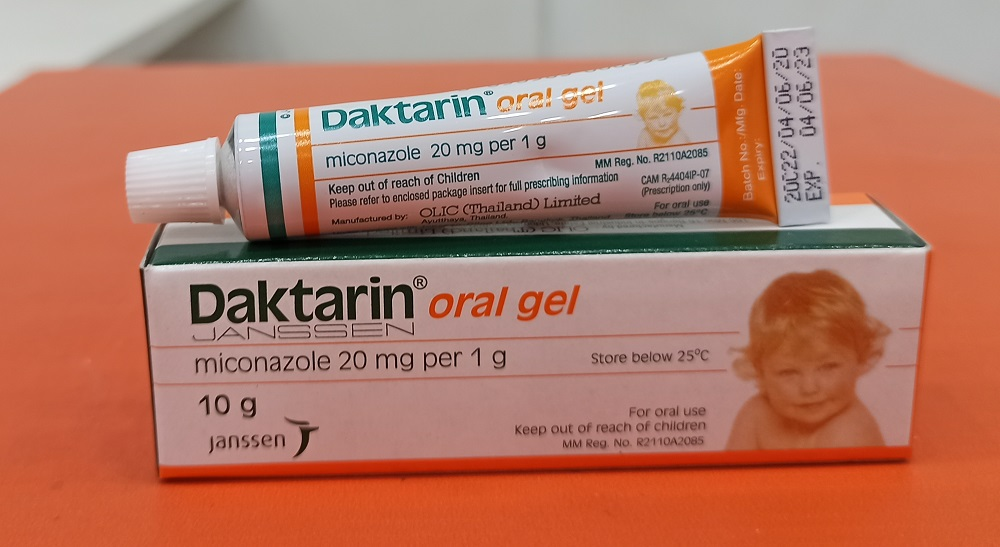
The recommended dosage and duration of treatment with Daktarin Oral Gel will depend on the severity of the infection and the individual’s age and general health.
Adults and children over 12 years: Typically, a small amount of gel is applied to the affected areas of the mouth two to four times daily for seven to fourteen days.
Children under 12 years: The dosage and duration of treatment should be determined by a doctor or pharmacist.
It’s critical to carefully follow any recommendations given by your physician or pharmacist.
Application Techniques
Clean the affected area: Before applying Daktarin Oral Gel, gently clean the affected areas of the mouth with a soft brush or gauze.
Apply the gel: Squeeze a small amount of gel onto a clean finger or cotton swab and apply it directly to the affected areas.
Evenly distribute: Apply the gel to the afflicted regions, making sure to cover them completely.
Avoid swallowing: Avoid swallowing the gel, as it may cause digestive upset.
Rinse mouth: After applying the gel, avoid eating or drinking for at least 30 minutes to allow the medication to work effectively.
Side Effects of Daktarin Oral Gel
Daktarin Oral Gel is generally well-tolerated, but some people may experience mild side effects, such as:
Taste changes: A temporary change in taste, such as a bitter or metallic taste.
Mouth irritation: Mild irritation or burning sensation in the mouth.
Nausea: Feeling sick to the stomach.
Usually minor and transient, these side effects should go away in a few days.
Serious Side Effects:
Although rare, serious side effects can occur. If you experience any of the following, stop using Oral Gel and consult a doctor immediately:
Severe allergic reactions: Symptoms may include difficulty breathing, swelling of the face, lips, tongue, or throat, and hives.
Liver problems: Symptoms may include yellowing of the skin or eyes, dark urine, fatigue, and abdominal pain.
Safety Considerations
Nursing and pregnancy: If you are nursing or pregnant, speak with your doctor before using Daktarin Oral Gel.
Children: Use with caution in children, as the safety and efficacy of Daktarin Oral Gel have not been fully established in all age groups.
Interactions with other medications: Inform your doctor about all medications you are currently taking, including prescription and over-the-counter medications, as well as herbal supplements.
Underlying medical conditions: Inform your doctor about any underlying medical conditions, such as liver disease, before using Daktarin Oral Gel.
Alternative Treatments for Oral Thrush
Several alternative treatments are available for oral thrush, including:
Nystatin oral suspension: Another antifungal medication commonly used to treat oral thrush.
Clotrimazole lozenges: Lozenges that dissolve in the mouth, releasing clotrimazole, an antifungal medication.
Fluconazole tablets: Oral tablets are used to treat more severe cases of oral thrush.
Preventing Oral Thrush
Several measures can help prevent the development of oral thrush, including:
Maintaining good oral hygiene: Brush your teeth and tongue twice daily with a soft-bristled toothbrush and floss daily.
Avoid sharing personal items: Avoid sharing utensils, cups, and other personal items with others.
Control underlying conditions: If you have any underlying medical conditions that weaken your immune system, such as diabetes or HIV/AIDS, work with your doctor to manage these conditions.
Avoid excessive sugar intake: High sugar intake can create an environment conducive to fungal growth.
Stop smoking: Smoking can weaken the immune system and increase the risk of oral thrush.
FAQs
What is Daktarin Oral Gel used for?
Oral Gel is used to treat fungal infections in the mouth and throat, such as oral thrush (candidiasis). It works by killing the fungus that causes the infection.
How do I use Daktarin Oral Gel?
The usual dose for adults and children over 2 years old is 2.5 ml (half a measuring spoon) applied four times a day. For infants aged 4-24 months, the usual dosage is 1.25 ml (one-quarter of a measuring spoon) applied four times a day. It is important to follow your doctor’s instructions carefully.
Is Daktarin Oral Gel safe during pregnancy or breastfeeding?
It is best to avoid using Oral Gel during pregnancy or breastfeeding unless your doctor advises you otherwise.
Can I use Daktarin Oral Gel with other medications?
It is important to tell your doctor about all other medications you are taking, including over-the-counter medications, vitamins, and herbal supplements. Oral Gel may interact with other medications.
What if I miss a dose of Daktarin Oral Gel?
If you miss a dose of Oral Gel, take it as soon as you remember. However, if it is almost time for your next dose, skip the missed dose and continue with your regular dosing schedule. Do not take a double dose to make up for a missed one.
Final Thought
Oral Gel is an effective antifungal medication for treating oral thrush and other fungal infections of the mouth. However, it is important to use it as directed by your doctor or pharmacist and to be aware of potential side effects. If you experience any serious side effects, stop using the medication and consult a doctor immediately. By following these guidelines and taking appropriate preventive measures, you can effectively manage oral thrush and maintain good oral health.
To read more, Click here