
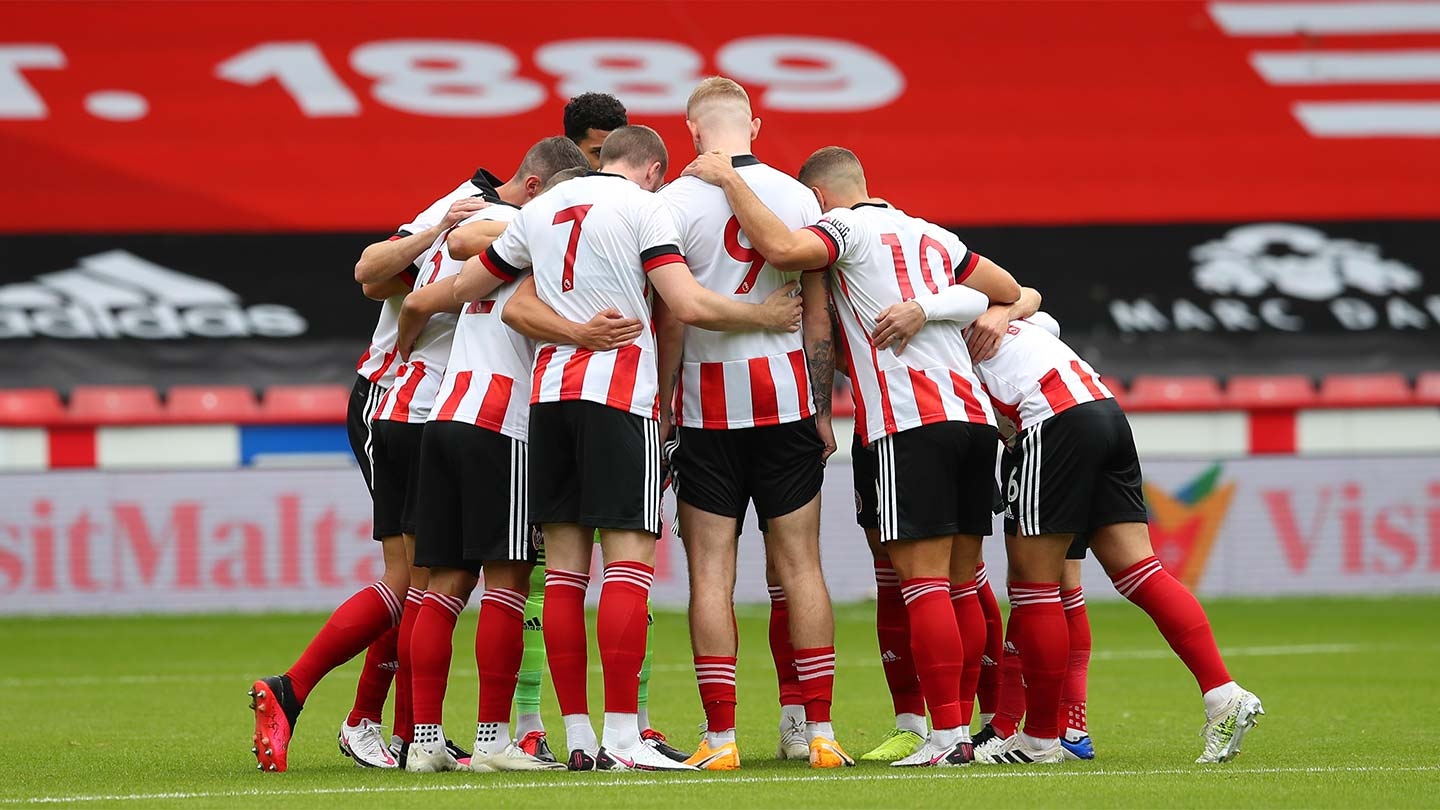
Sheffield United, affectionately known as the Blades, boast a rich history deeply intertwined with English football. From their early successes in the 19th century to their recent Premier League adventures, the club has consistently provided thrilling and memorable games for fans and neutrals alike. This article will delve into the key aspects of Sheffield United’s history, their playing style, key players, and the enduring legacy they have built.
Early Successes and the Rise of Sheffield Football
Sheffield United’s story begins in the 19th century, a period of significant growth for the game in England. The club emerged from the Sheffield Football Club, one of the oldest football clubs in the world, founded in 1857. This early period saw the Blades dominate the early years of English football, winning the FA Cup four times between 1899 and 1915. This success was built on a strong local identity and a commitment to developing talented players from within the region.
The Interwar Years and Post-War Struggles
The interwar period witnessed a shift in the club’s fortunes. While they continued to compete in the top divisions, the Blades faced increased competition from other clubs, and their dominance began to wane. The post-war era proved to be a period of struggle, with the club experiencing relegation and financial difficulties. However, this period also saw the emergence of some talented players who would go on to achieve success at higher levels.
The Dave Bassett Era and the Rise of the “Bassettball” Style
The 1980s and 1990s witnessed a resurgence for Sheffield United under the management of Dave Bassett. Bassett instilled an attacking, high-pressing style of play, dubbed “Bassettball,” which captivated fans and brought significant success to the club. This period saw the Blades reach the FA Cup semi-finals in 1993 and achieve promotion to the Premier League in 1992. Bassett’s teams were known for their exciting brand of football, characterized by quick passing, aggressive pressing, and a never-say-die attitude.
Premier League Adventures and Recent Seasons
Sheffield United’s return to the Premier League in 1992 marked a significant milestone in the club’s history. While they faced challenges in establishing themselves at the top level, they enjoyed memorable moments, including victories over top teams and thrilling encounters with some of the biggest names in English football.
In recent seasons, the Blades have experienced a rollercoaster of emotions. Following a period of consolidation in the lower leagues, they achieved promotion back to the Premier League in 2019 under the management of Chris Wilder. This was a remarkable achievement, given the club’s limited resources compared to many of their rivals.
However, the return to the top flight proved challenging, and the club suffered relegation in 2021. Despite this setback, the club remains committed to building a strong foundation for future success and returning to the Premier League.
Key Players and Legends

Throughout its history, Sheffield United has produced many talented players who have gone on to achieve great things. Some of the club’s most iconic figures include:
William “Fatty” Foulke: A legendary goalkeeper known for his imposing size and exceptional goalkeeping abilities.
Joe Shaw: A prolific goalscorer who holds the record for the most goals scored for the club in all competitions.
Brian Deane: The first player to score a Premier League goal in 1992.
Chris Wilder: A highly successful manager who guided the club back to the Premier League in 2019.
The Legacy of Sheffield United
Sheffield United’s legacy extends beyond their on-field achievements. The club has played a significant role in the development of English football, both on and off the pitch. Their early successes helped to shape the game in England, and their commitment to developing young talent has continued to this day.
The club’s passionate fanbase has also played a crucial role in its history. The support of the Blades’ faithful has been unwavering throughout the years, providing an invaluable source of encouragement and inspiration to the players.
FAQs
What is the Sheffield United Football Club?
Answer: Sheffield United is a professional football club based in Sheffield, South Yorkshire, England. They currently compete in the Championship, the second tier of English football.
Where do Sheffield United play their home games?
Answer: Sheffield United play their home games at Bramall Lane, a historic stadium located in the heart of Sheffield.
How can I buy tickets for Sheffield United games?
Answer: Tickets can usually be purchased online through the official Sheffield United website, by phone, or in person at the club’s ticket office.
What are the upcoming fixtures for Sheffield United?
Answer: For the most up-to-date fixture list, please refer to the official Sheffield United website or their social media channels.
How can I watch Sheffield United games?
Answer:
In-person: Attend matches at Bramall Lane.
Television: Check local TV listings or streaming services for broadcast information.
Online: Some games may be available to stream online through subscription services.
What is the current form of Sheffield United?
Answer: To find the latest information on Sheffield United’s form, including recent results and league position, check sports news websites or the club’s official channels.
Who are some of the key players for Sheffield United?
Answer: This can vary depending on the current squad. Check the club’s official website or sports news sources for the latest information on key players.
Final Thoughts
Sheffield United’s story is one of resilience, passion, and a deep-rooted connection to the local community. From their early successes to their recent Premier League adventures, the club has consistently provided thrilling and memorable games for fans and neutrals alike. While the road ahead may have its challenges, the club’s rich history and the unwavering support of its fans provide a strong foundation for future success. As the Blades continue to evolve, one thing remains certain: their place in the history of English football is secure.